

California roofs do not deal with snow and ice in most of the state, but they deal with a short, heavy rainy season, a long, hot, dry season, Santa Ana winds, and wildfire risk. Each season is hard on a roof in a different way, so the most useful roof maintenance checklist is organized by season.
Most of the checks below can be done from the ground, from a ladder at the gutter line, or from the attic. Leave walking the roof to a roofer. Tile breaks underfoot, and falls from roofs are a leading cause of serious injury at home.
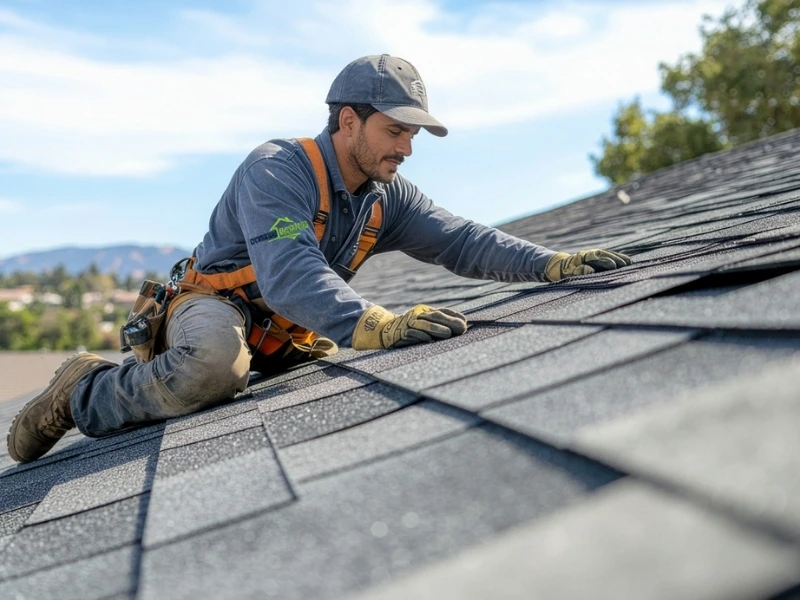
Fall: Get Ready for the Rainy Season
In Los Angeles, most of the year’s rain falls from about November to March. Fall is the most important season for roof maintenance.
- Clean gutters, downspouts, and roof valleys, and make sure downspouts drain away from the house.
- On flat roofs, clear drains and scuppers and remove debris.
- Schedule a professional roof inspection to find cracked pipe boots, open flashing, and slipped or broken tiles before the first storm.
- Check the attic with a flashlight for old water stains, damp insulation, or daylight where it should not be.
- Trim branches that touch or hang over the roof.
- Have any repairs done while the weather is still dry.

Winter: After Every Storm and Strong Wind
- Look at the roof from the ground for missing or lifted shingles, slipped tiles, and loose ridge caps.
- Check ceilings and the attic for new stains after heavy rain.
- Watch the gutters during rain. Water spilling over the front means a clog or an undersized gutter.
- After Santa Ana winds, check for debris on the roof and damage along the edges and ridge.
- If water is coming in, protect the inside first, then call a roofer. Do not climb onto a wet roof. See temporary tarping and sealing.
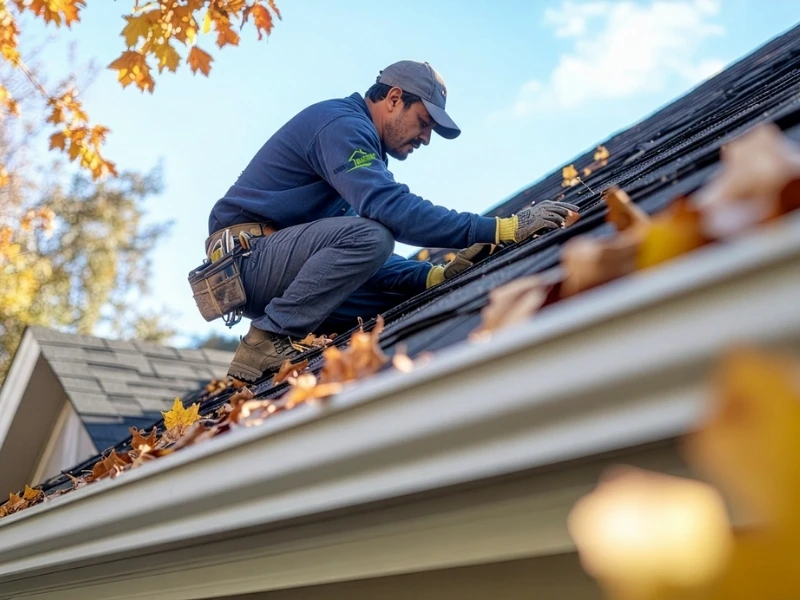
Spring: Repair Storm Damage Before Summer
- Clean gutters again to remove what the winter storms brought down.
- Look for moss, algae, or dark streaks on shaded slopes, which hold moisture.
- On flat roofs, look for water lines or dirt rings that show where water stood after rain. Water that stays more than 48 hours after rain points to a drainage problem.
- Get any winter damage repaired while the weather is mild.

Summer: Heat, Sun, and Fire Season
- Check attic ventilation. Blocked eave vents and a hot attic speed up shingle aging. An attic inspection covers vents, insulation, and heat damage.
- Look for cracked, curled, or blistered shingles and granules in the gutters, most often on south- and west-facing slopes. See how heat damages shingles.
- Dry summer weather is the right time for flat roof coatings and other work that needs dry days. See roof maintenance and coating.
- In fire-prone areas, clear dry leaves and pine needles from the roof and gutters, as CAL FIRE recommends, and check that attic and eave vents have intact screens.
Year-Round Habits That Extend a Roof's Life
- Fix small problems quickly. One missing shingle or cracked tile lets water reach the underlayment and the deck.
- Keep foot traffic off the roof. Ask solar, HVAC, and satellite installers to report any roof damage from their work.
- Do not pressure-wash shingles. It strips granules and can force water under the shingles.
- Keep records of inspections, repairs, and warranty papers. Insurers and buyers often ask for them.
- Plan replacement before it is urgent. Knowing your roof’s age helps. See how long roofs last in California.

How Your Area Changes the Checklist
Near the coast, salt air corrodes metal flashing, fasteners, and gutters faster, and the marine layer keeps shaded slopes damp, so look for rust and moss more often.
In the inland valleys, heat and UV are the main wear, so attic ventilation and summer checks matter most.
In the foothills and canyons, wildfire and Santa Ana winds come first: keep the roof and gutters clear of debris and check vents and roof edges.
For what a professional inspection covers and how often to schedule one, see regular roof inspections and roof inspection reports.
Roof Maintenance Questions
How often should I have my roof inspected in California?
Once a year, ideally in the fall before the rainy season, and after any major storm or strong Santa Ana wind. Flat commercial roofs are commonly inspected twice a year.
When is the best time to clean gutters in Southern California?
In the fall before the rains start, and again in spring. Homes with trees over the roof may need it more often, and homes in fire-prone areas should keep gutters clear of dry debris through the dry season.
What roof maintenance can I safely do myself?
Look at the roof from the ground or with binoculars, check the attic for stains after rain, and keep gutters clear from a stable ladder. Leave walking the roof and any repairs to a roofer.
How can I make my roof last longer?
Keep gutters and drains clear, keep attic ventilation working, fix small problems quickly, keep foot traffic off the roof, and have it inspected once a year.
Does where I live in California change roof maintenance?
Yes. Coastal roofs need more checks for rust and moss, inland roofs for heat and sun damage, and roofs in the foothills for wildfire debris and wind damage.
Overhead Roofing inspects and maintains shingle, tile, metal, and flat roofs across Los Angeles County, with offices in Pasadena and Tarzana. Call (877) 557-7778 to schedule a seasonal roof inspection.


