
Overhead Roofing » Roof Inspection
Roof Inspection in Los Angeles, With a Written Condition Report
Every inspection ends with a written roof condition report: photos, what needs repair now, what can wait, and a written estimate for the work.
- Licensed, bonded & insured
- CSLB #1119699 (C-39)
- BBB Accredited with an A+ rating
Roof Inspections With a Written Report
A roof inspection in Los Angeles should answer three questions: what condition the roof is in, what needs repair now, and what can wait. Each of our inspections ends with a written roof condition report that includes photos and an estimate for the work it recommends, for homes and commercial buildings across Los Angeles County.
We offer a free roof inspection. To book one, call (877) 557-7778 during office hours, Sunday through Friday from 8 a.m. to 5 p.m., or send the estimate form below. If water is coming in right now, the same number reaches our 24/7 emergency line.
Free Roof Inspection
Photos, condition, repair plan
Most rain falls Nov. to March
CSLB #1119699 (C-39)
Roof Condition
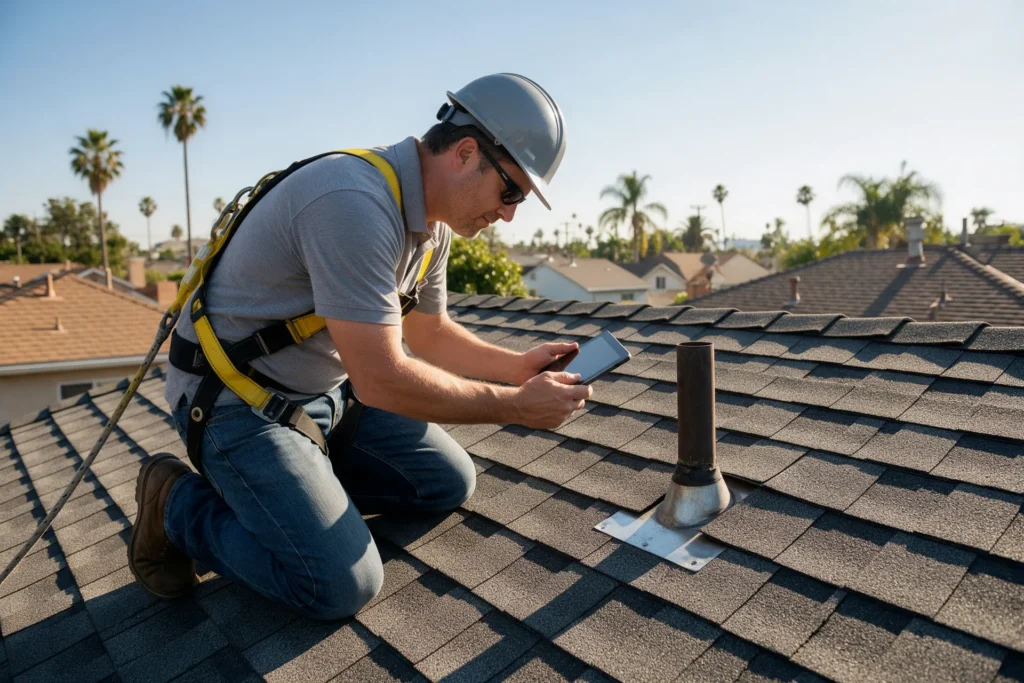
Photos and notes on the roof covering, flashing, drainage, and penetrations.
Repair Priorities
What needs attention now, what can wait, and why.
Written Estimate
A written price for the recommended work that you can share with a buyer, seller, or insurer.
What a Roofer Checks During a Roof Inspection
A roofer goes over the roof where it is safe to walk, looks closely at the area above any reported leak, and checks the attic where it can be reached. The inspection covers:
- The roof covering: asphalt shingles, clay or concrete tile, metal, or a low-slope membrane such as torch-down, modified bitumen, or TPO.
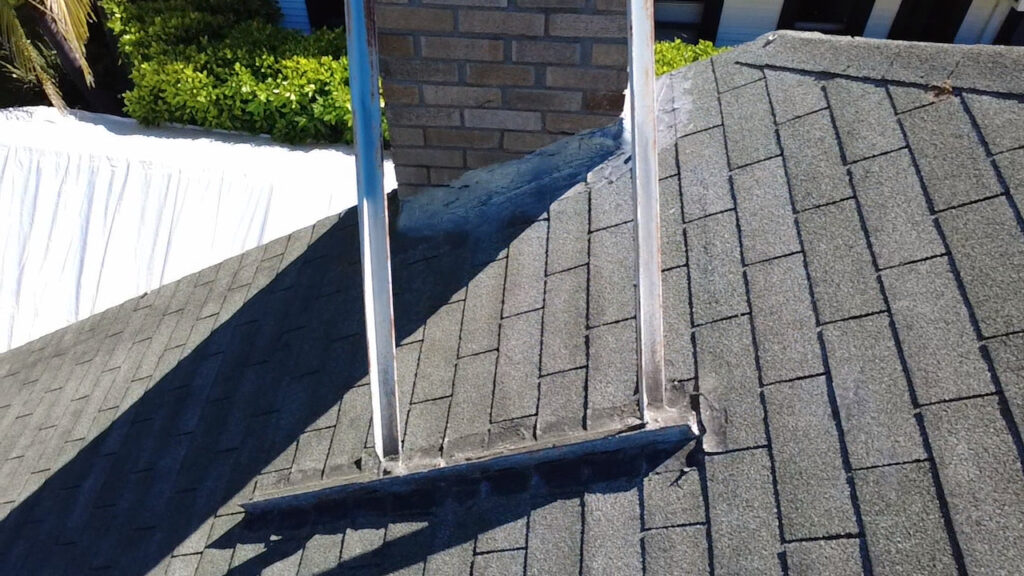
- Flashing: step, counter, headwall, chimney, and valley flashing, plus the joints where stucco walls meet the roof.
- Penetrations: pipe boots, roof vents, skylights, and the curbs under rooftop equipment.
- Drainage: gutters, downspouts, roof drains, scuppers, and any sign of ponding water.
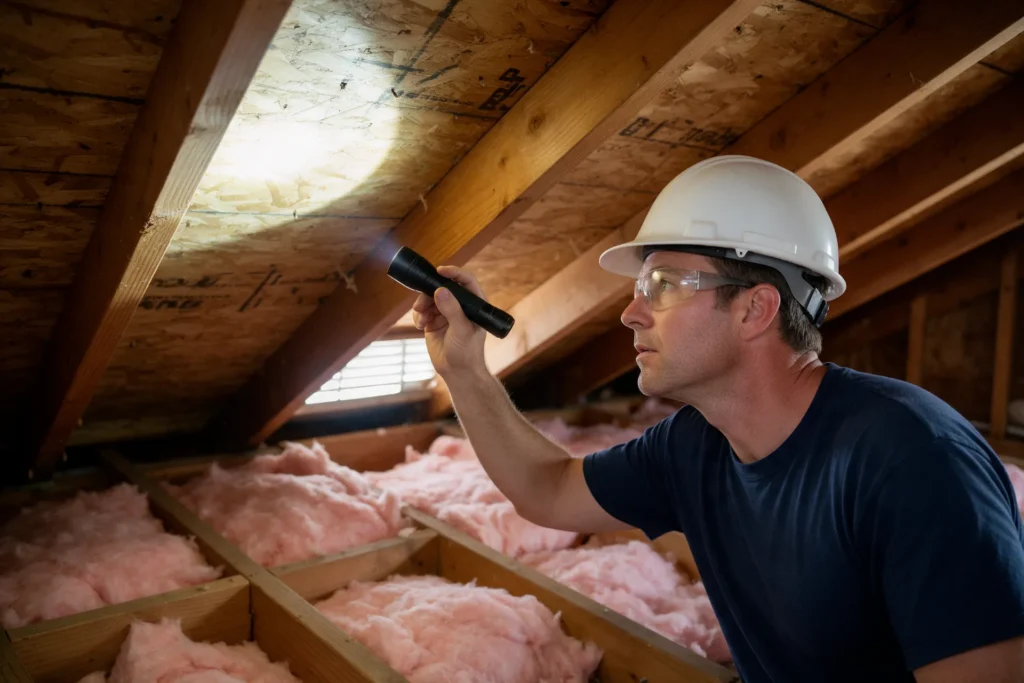
- The decking: from the attic where it is accessible, looking for stains, soft or delaminated plywood, and daylight.
- Signs of past leaks: old patches, stained decking or ceilings, and earlier repairs that may need redoing.
Tile roofs need a different reading
Tile is different: the clay or concrete pieces shed most of the rain, but the real waterproofing is the underlayment under them, which stays hidden. The report therefore relies on what can be seen: slipped or broken tile, debris packed into valleys, the flashing at walls and chimneys, and stains on the decking below. When the evidence points to worn underlayment, the report says so plainly.
What no inspection can see
Some damage only shows once the roofing comes off. In Altadena, for example, water damage to the decking at the roof edge came to light only during a shingle replacement. The report flags areas where the evidence suggests hidden damage like that. For a closer look at insulation, ventilation, and framing from inside, add an attic inspection.
What the Written Roof Condition Report Contains
The report is written for the person who has to act on it: a buyer weighing an offer, a seller preparing disclosures, or a property manager setting a budget. It includes:
- Photos of each problem area, plus overall views of the roof.
- The condition of each area, with every slope, low-slope section, and roof type described separately.
- Repairs needed now, such as an open flashing joint or a cracked pipe boot, listed apart from items that can wait.
- An estimate of remaining service life, so you know roughly what to plan for.
- A written estimate for the work the report recommends.
What you do with the report is up to you: hire us, get other bids, or keep it on file. If the report raises the question of a large repair against a new roof, our guide to roof repair vs. replacement walks through the trade-offs.
When Owners Order a Roof Inspection
Buying or selling a home
Buyers usually order a roof inspection during the inspection contingency period, especially when the home inspector has flagged the roof or the roof looks old. Some sellers order one before listing so they can repair the roof or disclose its condition up front. The California Association of REALTORS® buyer inspection advisory points buyers to roofing contractors to judge a roof’s present condition, age, leaks, and remaining useful life.
After a storm or a Santa Ana wind event
Santa Ana season runs roughly from October into March. These dry winds lift shingles and loosen ridge and hip tiles, and the damage often goes unnoticed until the next rain finds it. If a recent storm is the reason you are calling, see our page on storm damage inspection and repair.
Before the rainy season
In downtown Los Angeles, about 12 of the 14 inches of normal yearly rain fall from November through March, according to National Weather Service climate normals. An inspection in late summer or early fall leaves time to fix cracked pipe boots, open flashing, and clogged drains before the first storm.
An aging roof
When a roof is near the end of its expected life, an inspection shows whether a repair will carry it a few more years or whether it is time to budget for a new roof.
Call our 24/7 emergency line. We aim to respond quickly, with same-day visits when crews are available.
Roof Certification in a California Home Sale
A roof certification is a roofing contractor’s written statement about a roof’s condition, based on an inspection. If the roof needs repairs, they are usually done before the certification is issued. Buyers or their agents may ask for one during escrow, and some sellers get one before listing.
Roof certifications are not standardized, so their terms vary from one issuer to the next. Some describe the roof’s condition on the inspection date only; the National Roof Certification and Inspection Association, a trade group, describes its own certification that way and states that it is not a warranty or insurance. Others are written to cover leaks for a stated period. Before you rely on any certification, read:
- the period it covers, if any;
- what it excludes, such as storm damage, later work by others, or rooftop equipment;
- whether it transfers to the buyer;
- what the issuer will do if the roof leaks during that period.
We issue roof certifications for homes in Los Angeles County. Ask us what ours covers before you rely on it in escrow, and share it with your agent.
Sending an Inspection Report to Your Insurer
The California Department of Insurance tells policyholders to photograph damage and get at least one written repair estimate. Our report and estimate are written so you can send them to your insurance company, and we can join the adjuster at the property if you ask.
Everything else about the claim happens between you and your insurer. We play no part in filing, negotiating, or settling it, and what the policy covers is for your insurer to say, so read the policy and call them. For representation, you can hire an attorney or a public adjuster licensed by the California Department of Insurance. Our guide on how to handle a roof insurance claim walks through the steps.
Commercial Roof Inspection in Los Angeles
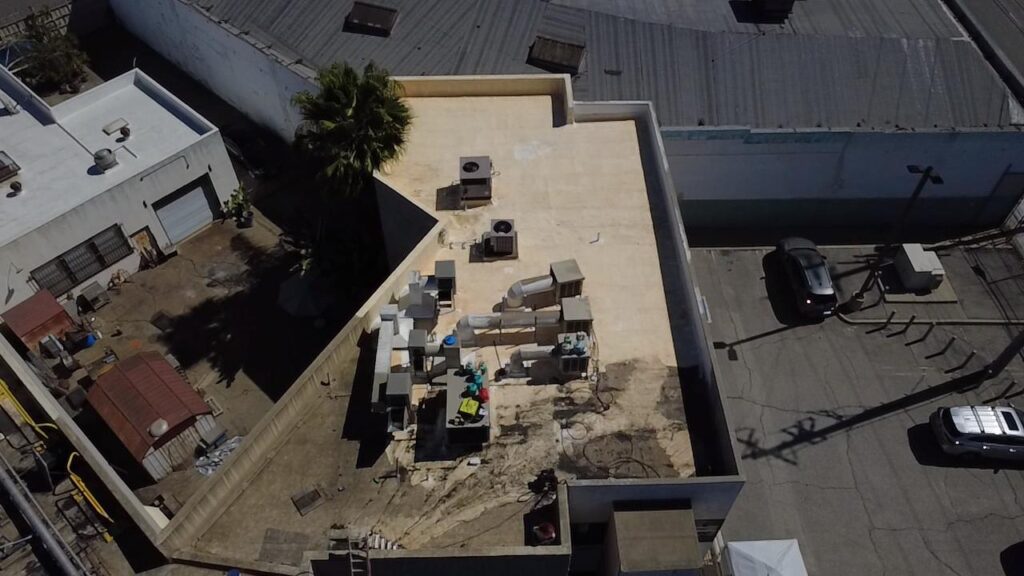
Many apartment buildings, offices, shops, and warehouses in Los Angeles have low-slope roofs, and a commercial roof inspection looks at different details than a residential one:
- The membrane surface and seams on torch-down, modified bitumen, TPO, built-up, and coated roofs
- Ponding water, meaning where water stands after rain and what it has done to the surface
- Roof drains, scuppers, and overflows, and whether debris is blocking them
- Parapet walls and coping, where leaks often start and then show up inside the walls
- Flashing at rooftop unit curbs, vents, skylights, and roof hatches
- Earlier patches and coatings, and whether they are holding
For property owners and facility managers, the report doubles as a maintenance record, with photos, findings, priorities, and a written estimate in one place. The National Roofing Contractors Association recommends inspecting roof systems at least twice a year, preferably in spring and fall, and again after severe weather.
Many owners also order an inspection at the start or renewal of a lease, since leases often assign roof upkeep to the landlord or the tenant. See who is responsible for roof damage in a triple net lease. When the report calls for repairs or a new roof, our commercial roofing page covers that work.
Our Reviews
Posted on GoogleTrustindex verifies that the original source of the review is Google. I live in Alhambra and had a few broken tiles after a windstorm. William and Mike from Overhead Roofing Inc came highly recommended, and now I know why. They handled the repairs quickly and thoroughly, and even checked nearby spots without being asked. Sherry from the office made billing and follow-up a breeze. I’ll be using them again for a full re-roof in the futurePosted on GoogleTrustindex verifies that the original source of the review is Google. Great, thank youPosted on GoogleTrustindex verifies that the original source of the review is Google. Our office in Sierra Madre started having ceiling leaks. Overhead Roofing Inc sent Sean and Mike, who discovered the issue was actually with the parapet wall flashing. They fixed it and gave us solid maintenance recommendations. Tammi kept everything on time and within budget. Their knowledge and clarity made a huge difference.
Schedule Your Roof Inspection
Tell us why you need the inspection: a home sale, a leak, storm damage, or an aging roof. Call (877) 557-7778 or use the form below. Overhead Roofing is licensed, bonded, and insured (CSLB #1119699, C-39), and estimates are free.
Get Your Free Estimate
Use the form below or call: (877) 557-7778
Use the form below or call:
(877) 557-7778
Need Roof Repair or Replacement? Get a Free Estimate Today!
Overhead Roofing CA provides inspections, repairs, replacements, and maintenance for homes and commercial properties across Southern California. We explain what we find, answer your questions, and provide a free written estimate before work begins.
Residential roof repair & replacement
Commercial roofing inspections & upgrades
Emergency leak response & storm damage repair
Free written estimates before work begins
Questions About Roof Inspections, Reports, and Certifications
Who pays for a roof inspection, the buyer or the seller?
Either one can. Buyers usually order a roof inspection during the inspection contingency period, often after the home inspector flags the roof. Sellers sometimes order one before listing so they can make repairs or disclose the roof’s condition up front. Who pays for repairs or a roof certification is negotiated between buyer and seller, so ask your agent how the purchase contract handles it.
Is a roof assessment the same as a roof inspection?
In practice, yes. A roof assessment, a roof survey, and a roof condition report are different names for the same job: a roofer examines the roof and writes down its condition, what needs repair, and how much life it has left. On a commercial building, a commercial roof assessment usually goes further into drainage, past repairs, and the roof’s maintenance history.
Do I need a roof inspector if the home inspector already checked the roof?
Often, yes. A home inspector does a general inspection of the whole house, and a California Association of REALTORS® advisory notes that a general physical inspection typically does not cover every aspect of a property. When the home inspector flags the roof, a roof inspector in Los Angeles can tell you what is causing the problem, what the repair involves, and what it should cost, in writing.
How often should a roof be inspected in Los Angeles?
The National Roofing Contractors Association recommends at least twice a year, preferably in spring and fall, and after severe weather. For a roof inspection in Los Angeles, early fall is the most useful time, because it leaves room for repairs before the winter storms. Add an inspection after a Santa Ana wind event or when a tree limb comes down on the roof.
Can I send a roof inspection report to my insurance company?
Yes. The report and estimate are yours to send, and a roof inspection report for insurance should show photos of each problem area, describe the roof’s condition, and price the repair. Whether the damage is covered depends on your policy and your insurer, so read the policy and call them. If you want us on site when the adjuster visits, just ask.
Serving All of Southern California
Choose your county to see the cities and roofing services near you.