
Overhead Roofing » Residential Roof Inspection
Residential Roof Inspection and Tune-Up
A yearly check of shingle and tile roofs before the rainy season, with photos of what we find and a list of what needs work. Estimates are free.
- Licensed, bonded & insured
- CSLB #1119699 (C-39)
- BBB Accredited, A rating
A Yearly Roof Check for Shingle and Tile Homes
A residential roof inspection is a roofer’s yearly check of your home’s roof, best done before the rainy season, to catch the small problems that let water in later. On shingle and tile roofs, most of those problems are small repairs, such as a cracked pipe boot or a slipped tile. We list each one with photos and a written price so you can decide what gets fixed, which is why the visit is also called a roof tune-up.
We inspect and maintain home roofs across Los Angeles County. Our team brings 25+ years of roofing experience. This page covers the maintenance visit. If you need a written report for a home sale, an insurance claim, or a commercial building, see roof inspection reports.
Shingle and tile homes
Inspect twice a year
Nov. through March
CSLB #1119699 (C-39)

Small Repairs a Residential Roof Inspection Often Turns Up
These are the items we check on a home roof, and the small repairs they often need:
Cracked pipe boots and vent collars
The rubber collar around each plumbing vent dries out and cracks in the sun, and a cracked boot lets water run down the pipe into the attic. We check each pipe boot and roof vent. A cracked boot on a shingle roof is a small replacement; on tile, the usual fix is resealing the metal flashing around the pipe where the tiles allow.
Lifted, creased, or missing shingles
Wind can break the seal strip that holds a shingle flat, and a creased shingle no longer sheds water the way it should. Lifted shingles can be resealed, and a few creased or missing ones replaced with the closest match available. Loose shingles across a whole slope are a larger repair, priced separately.
Slipped and cracked tiles
Clay and concrete tiles slip when a fastener or hanger fails, and they crack when someone steps in the wrong place. A gap in the tile leaves the underlayment open to sun and rain. Slipped tiles can be reset, and cracked ones swapped for spares if you have them, or for the closest match available.
Loose ridge cap and hip tiles
The ridge and hips are exposed to wind from every side. Shingle ridge caps can lift or split, and on tile roofs the mortar or fasteners holding hip and ridge tiles can loosen. Loose caps can be re-fastened and resealed; a tile ridge that needs a full reset is a separate job, and we tell you when that is the case.
Dried sealant and loose flashing
Where the roof meets a wall, chimney, or skylight, the sealant along the flashing dries and shrinks over time, and counterflashing can work loose from the stucco. Loose flashing can be re-secured and joints resealed where the metal is still sound. Rusted or split flashing goes on the list for replacement, since sealant over bad metal does not hold.
Debris in valleys, gutters, and roof drains
Leaves and needles collect in valleys and gutters, where they hold water against the roofing and can catch embers in fire season; CAL FIRE advises clearing them from roofs and gutters. Valleys and roof drains within safe reach can be cleared as part of a tune-up, and if the gutters or downspouts need a full cleaning, we tell you.
Shingle and Tile Roofs: How the Yearly Check Differs
The checklist changes with the roof. The biggest difference is that on a tile roof, the layer that keeps water out is hidden under the tile:
| Part of the roof | Asphalt shingle roof | Clay or concrete tile roof |
|---|---|---|
| Main covering | Shingles shed water and seal the roof; we look for granule loss, cracks, and lifted tabs | Tiles shed most of the water; the underlayment beneath them is the waterproof layer |
| Ridge and hips | Ridge cap shingles that lift or split | Hip and ridge tiles whose mortar or fasteners have loosened |
| Valleys | Worn shingles or exposed metal where two slopes meet | Leaves and broken tile pieces that dam the water |
| Walking the roof | Walked with care on dry days | Walked only where the tiles are supported, to avoid cracking them |
| Clues from inside | Stains around pipes and along the eaves | Stains below valleys and headwalls, often from aging underlayment |
Because the underlayment can’t be seen, a tile roof inspection reads the clues around it: cracked or out-of-place tiles, leaves packed into valleys, the metal around chimneys and walls, and water marks on the underside of the deck seen from the attic. When those clues point to underlayment at the end of its life, more spot repairs won’t hold. The lasting fix is a reset with new underlayment, covered on our tile roof replacement page.
Call (877) 557-7778 any time, or use the form below. Office hours are Sunday through Friday, 8 a.m. to 5 p.m.
When to Book a Home Roof Inspection
The National Roofing Contractors Association (NRCA) recommends checking a roof at least twice a year, in spring and fall, and after severe weather. If you book one home roof inspection a year, make it the fall visit. These are the times to call:
- Late summer or early fall. Normal rainfall in downtown Los Angeles is about 14 inches a year, and roughly 12 of those inches come between November and March, according to National Weather Service normals. A September or October visit leaves time for repairs before the first storm.
- After a Santa Ana wind event. The Santa Ana season usually lasts from October into March, and a strong event can lift shingles and loosen ridge tiles without leaving anything you can see from the ground.
- After other trades work on the roof. Solar installers, HVAC technicians, painters, and cable crews walk on roofs, and some cut new holes. A check afterward catches cracked tiles and unsealed penetrations.
- After a branch falls or a new ceiling stain appears. Don’t wait for the yearly visit; call for a repair estimate.
Keep trees trimmed back too. CAL FIRE advises removing all branches within 10 feet of a chimney and keeping roofs and gutters clear of dead leaves and needles.
What You Get After a Home Roof Inspection
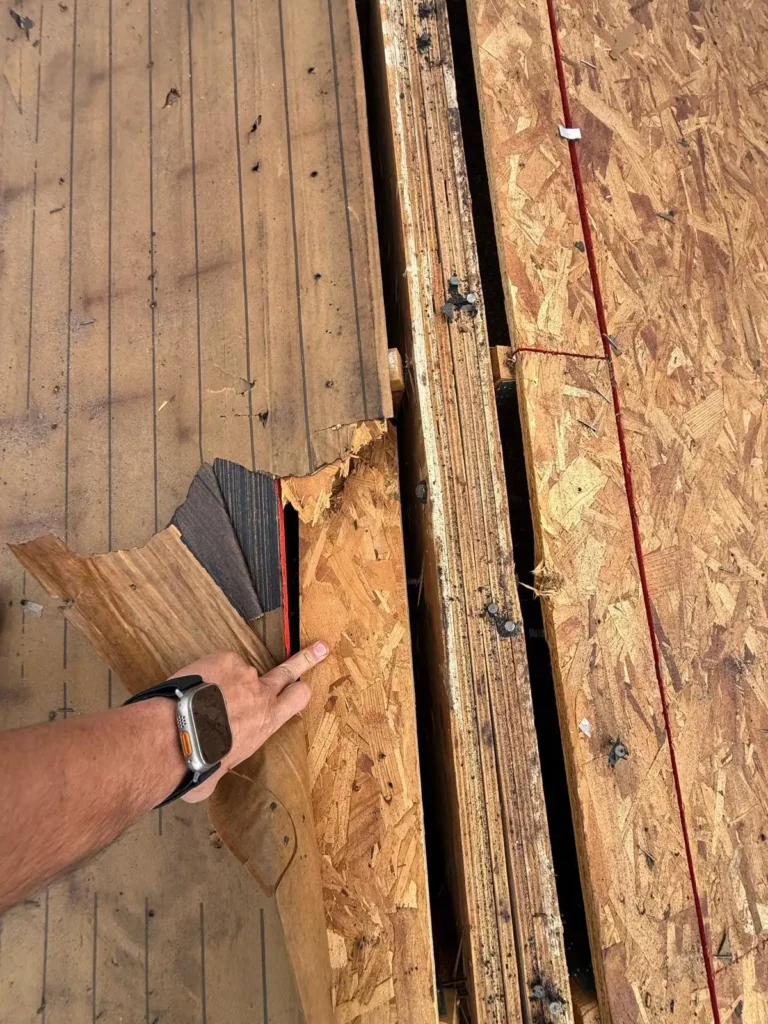
You get photos of what we found, a note of any small items that were fixed, and a list of anything that needs a larger repair, with a free written estimate for that work. We also tell you what can wait, so you can plan for it instead of reacting to a leak. When a roof is close to the end of its service life, we tell you, and we explain whether repairs still make sense.
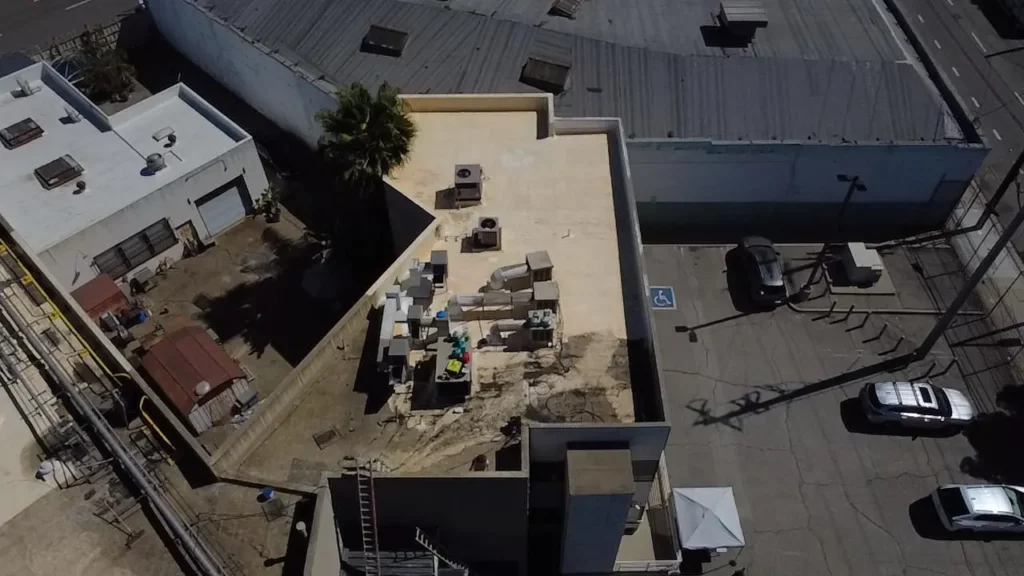
A maintenance visit is not the same as a formal roof report. If you are buying or selling, need a roof certification for escrow, or want documents for an insurer, our roof inspection reports page explains what that report covers, including for commercial buildings.
Simple Roof Care Between Inspections
Most of a roof’s yearly care happens on the visit, but a few habits help in between:
- Look from the ground. After a windstorm, walk around the house and look for bits of shingle or tile in the yard and debris sitting in the valleys.
- Keep gutters flowing. Clean them in the fall, or have them cleaned, so water doesn’t back up under the roof edge.
- Stay off tile. Tiles crack under foot, and a cracked tile is easy to miss until it leaks.
- Check after the first big rain. A flashlight look in the attic shows stains on the deck before they reach the ceiling. Our attic inspection page explains what to look for.
- Keep a record. Save photos, invoices, and notes from each visit and from any solar or HVAC work on the roof.
For tasks around the rest of the house, see our seasonal roof maintenance checklist.
Our Reviews
Posted on GoogleTrustindex verifies that the original source of the review is Google. I live in Alhambra and had a few broken tiles after a windstorm. William and Mike from Overhead Roofing Inc came highly recommended, and now I know why. They handled the repairs quickly and thoroughly, and even checked nearby spots without being asked. Sherry from the office made billing and follow-up a breeze. I’ll be using them again for a full re-roof in the futurePosted on GoogleTrustindex verifies that the original source of the review is Google. Great, thank youPosted on GoogleTrustindex verifies that the original source of the review is Google. Our office in Sierra Madre started having ceiling leaks. Overhead Roofing Inc sent Sean and Mike, who discovered the issue was actually with the parapet wall flashing. They fixed it and gave us solid maintenance recommendations. Tammi kept everything on time and within budget. Their knowledge and clarity made a huge difference.
Book Your Home Roof Inspection
Tell us the roof type, about how old it is, and anything you have noticed, such as stains, loose shingles, or slipped tiles. Call (877) 557-7778 or use the form below. Overhead Roofing is licensed, bonded, and insured (CSLB #1119699, C-39), and estimates are free.
Get Your Free Estimate
Please fill out the form below, or call: (877) 557-7778
Please fill out the form below, or call:
(877) 557-7778
Need Roof Repair or Replacement? Get a Free Estimate Today!
Don’t wait until a minor issue turns into a significant expense. At Overhead Roofing CA, we make it easy to get expert service fast with no pressure and no hidden fees. From routine roof maintenance to full tear-offs and installations, our team handles every project with precision, honesty, and care.
We specialize in helping LA homeowners and business owners protect their most valuable assets with dependable roofing solutions that last. Our licensed contractors are standing by, ready to inspect your roof, answer your questions, and provide a clear action plan all at no cost to you.
Residential roof repair & replacement
Commercial roofing inspections & upgrades
Emergency leak response & storm damage repair
Financing options available for every budget
Home Roof Inspection and Roof Tune-Up Questions
How often should you get your roof inspected?
The NRCA recommends at least twice a year, in spring and fall, plus after severe weather. For most homes in Los Angeles County, one residential roof inspection a year, in late summer or early fall, handles the main risk, which is winter rain. Add a visit after a Santa Ana wind event, a fallen limb, or work by other trades on the roof.
What is a roof tune-up?
A roof tune-up is an inspection combined with small maintenance repairs: replacing a cracked pipe boot, resealing lifted shingles, resetting slipped tiles, re-fastening ridge caps, and clearing valleys. It does not replace worn-out roofing or repair major leaks. It takes care of the small items that would turn into leaks if they waited another season.
Does a home roof inspection include the attic?
When the attic can be reached, yes. The underside of the roof deck shows stains, damp insulation, and daylight around pipes that you can’t see from the roof. Some homes have only a shallow crawl space, and vaulted ceilings have no attic at all; there we rely on the roof surface and on any stains in the ceilings below.
Do tile roofs need a yearly inspection if no tiles are broken?
Yes, because the tile is not the waterproof layer. The underlayment beneath it is, and it can wear out while every tile looks fine from the ground. A yearly tile roof inspection checks for slipped tiles, packed valleys, and loose hip and ridge tiles, and looks in the attic for stains that point to aging underlayment.
Can I inspect my own roof?
From the ground, yes. Use binoculars to look for missing or lifted shingles, slipped tiles, and debris in the valleys, and check the ceilings and attic after rain. Walking the roof is another matter: shingles can be slippery, and tile cracks under foot. Leave the climbing to a roofer with the right ladder setup and fall protection.
Is a yearly roof inspection the same as one for a home sale?
No. A home sale usually calls for a formal written report that a buyer, seller, and agent can rely on during escrow. The yearly visit is maintenance: we check the roof, handle small items you approve, and give you photos and an estimate for anything larger. For a report, see our roof inspection reports page.
Serving All of Southern California
Choose your county to see the cities and roofing services near you.